Fishing UK Specialist Angler & Angling Writer, Andrew Kennedy | Pike Perch Barbel Carp Lure Coarse British angler writing about fishing and specialist angling
Ring The Changes, Reap The Rewards
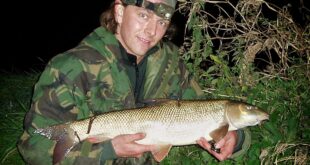
By mid-August, I am usually well into my stride catching river fish, especially barbel. This year, however, I’ve struggled to even get a bite! The problem with becoming confident in certain methods, baits and even venues, is that it’s easy to become set in your ways with your approach. The old adage “If it aint broke, don’t fix it” springs to mind. But what happens when it is broke, and your tried and trusted methods fail you time and again? It’s so easy to dwell on glories past, sticking with the same setup in the hope that it will work eventually. The truth is, conditions change, swims change, fish can become wary of certain rigs and baits. If you find yourself struggling, you must start ringing the changes until you find something else that works. Two chance meetings earlier in the month inspired me to get out of my recent rut, and I’m so relieved! With very few bites, and a single measly 10 ounce chub to show for several after-work river sessions, I knew I had to change something. My initial focus, along with trying a variety of different swims, was to change my baits until I found one …
Read More »