Fishing UK Specialist Angler & Angling Writer, Andrew Kennedy | Pike Perch Barbel Carp Lure Coarse British angler writing about fishing and specialist angling

It’s often good practice when predator fishing to keep your mainline up and off the deck, to avoid bottom debris (especially around autumn time when there are lots of fallen leaves & twigs) and ensure a truly low-resistance presentation. Many anglers achieve this through the use of pop-up/buoyant leger stems to attach their leads when deadbaiting.
Buoyant run rings and pop-up leger stems might also be useful in carp fishing and other specialist angling. For example, a floating run ring could be the perfect way of attaching a surface controller float when floater fishing for carp; whilst a buoyant leger stem could be used an alternative to a sunk float – to allow a running lead rig to be used over weed (instead of a fixed lead on a chod rig, for example).
Buoyant leger attachments have been on the market for years, most notably in the form of Middy’s Buoyant Leger and Fox Leger Stems. Annoyingly, the Middy ones have become difficult to find and the Fox ones tend to just fall apart! They’re way too fragile for me to use with any confidence, so I started modifying them. Then I thought, instead of paying so much for a substandard product I have to alter anyway, I may as well manufacture my own! The ones I came up with may not look too refined, but they work and are both robust & cheap.
I’ve used this design of homemade buoyant leger stems when fishing for pike & zander, on rivers, lakes and canals, to good effect.
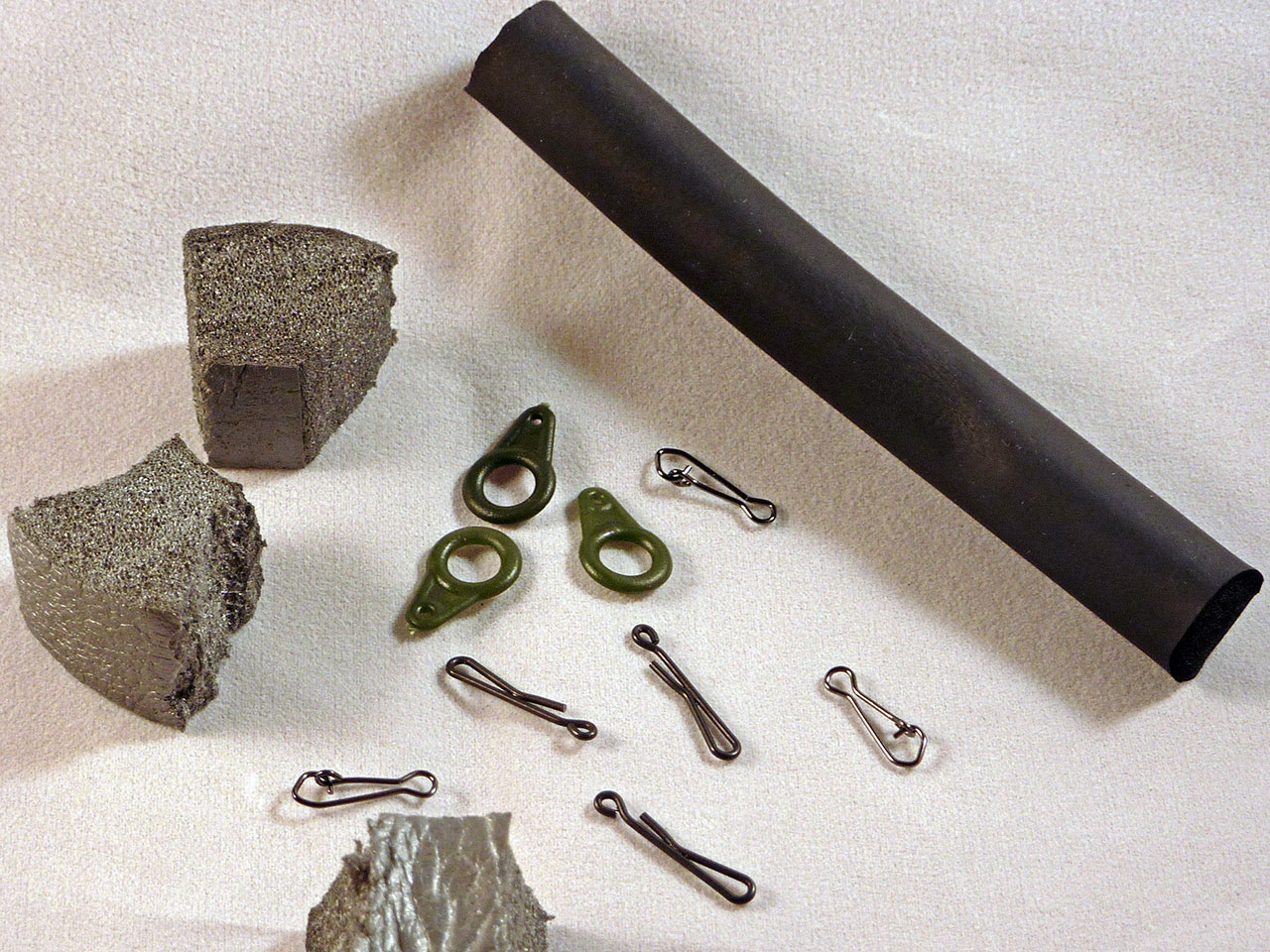
Materials You’ll Need:
- Standard low-resistance run rings (made by various manufacturers – cheap ones can be bought in bulk on eBay)
- Genie mini clips (or similar lightweight speed clips made by another manufacturer)
- Buoyant foam – either some foam pipe lagging or rig foam (or, a more neat but expensive option, some 12 to 15 mm diameter expanded neoprene cord – used for high-pressure seals)
- Power gum – 8lb breaking strain is ideal as a weak link, but use according to lead weights & casting distance (and always use a lower breaking strain than your mainline)
- Small snap-link clips
- Shrink tubing (optional).
Tools You’ll Need:
- Sharp knife – a Stanley knife or craft knife is ideal
- Scissors – a small, sharp pair
- Baiting Needle – a long hook-type baiting needle will help.
Most of the components above can be picked up for next-to-nothing. For example, a quick search for “fishing run rings” on a certain auction website brought up someone selling 50 for £3.20 including postage! Also, you can pick up a metre length of pipe insulation for less than a quid from a DIY or plumbing shop and that will give you enough foam to make hundreds of leger stems! The size I’ve found to be perfect is 64mm outside diameter, with a 24mm hole in the centre.
Method to make buoyant leger stems:
- Slice the foam
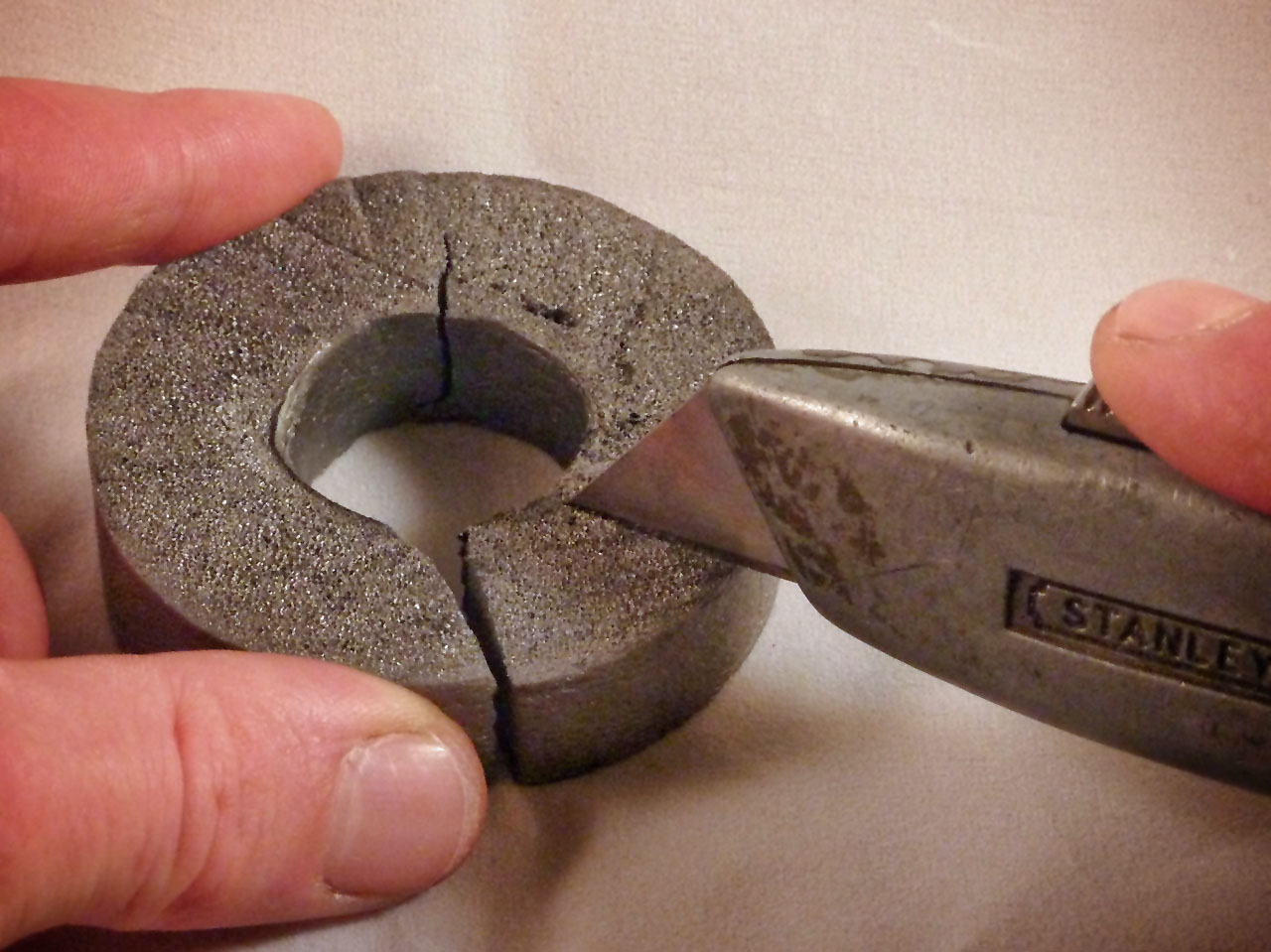
The first step – if using the pipe lagging rather than neoprene – is to carefully slice off a disc of about 15mm thickness. Then cut this around into 8 equal-sized pieces, which should look a bit like grey pineapple chunks!
- Trim & shape the foam
Next, carefully chop the square edges off the chunk and slowly whittle it down into an egg shape, with a wider top and a narrower bottom. If you’re using neoprene, slice off a 22mm long cylinder and shape it in a similar fashion.
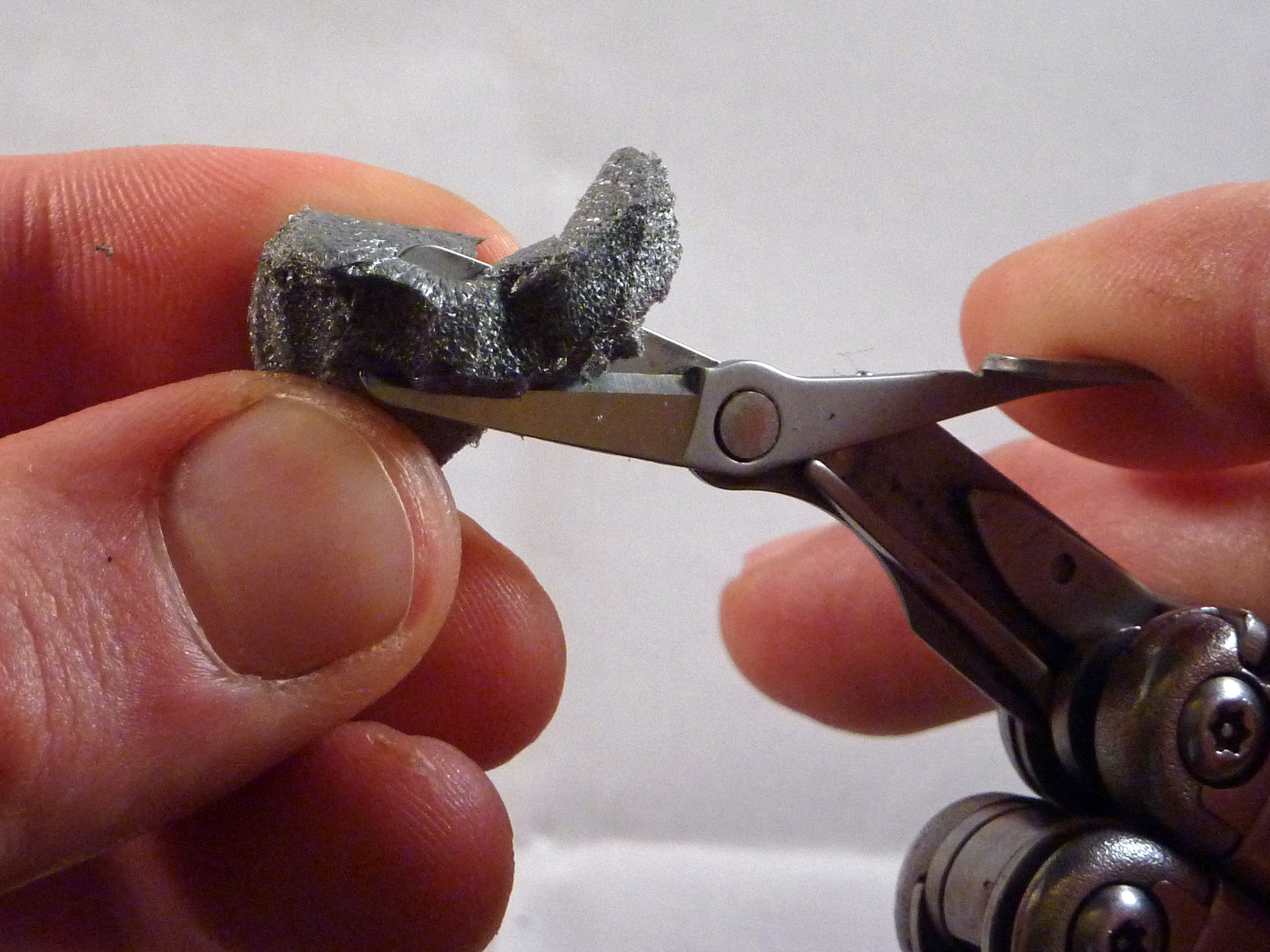
- Add Genie clip to run ring
Take a genie clip and insert it into the small eye of a low-resistance plastic run ring; feed it down until the run ring sits in the bend of the clip.
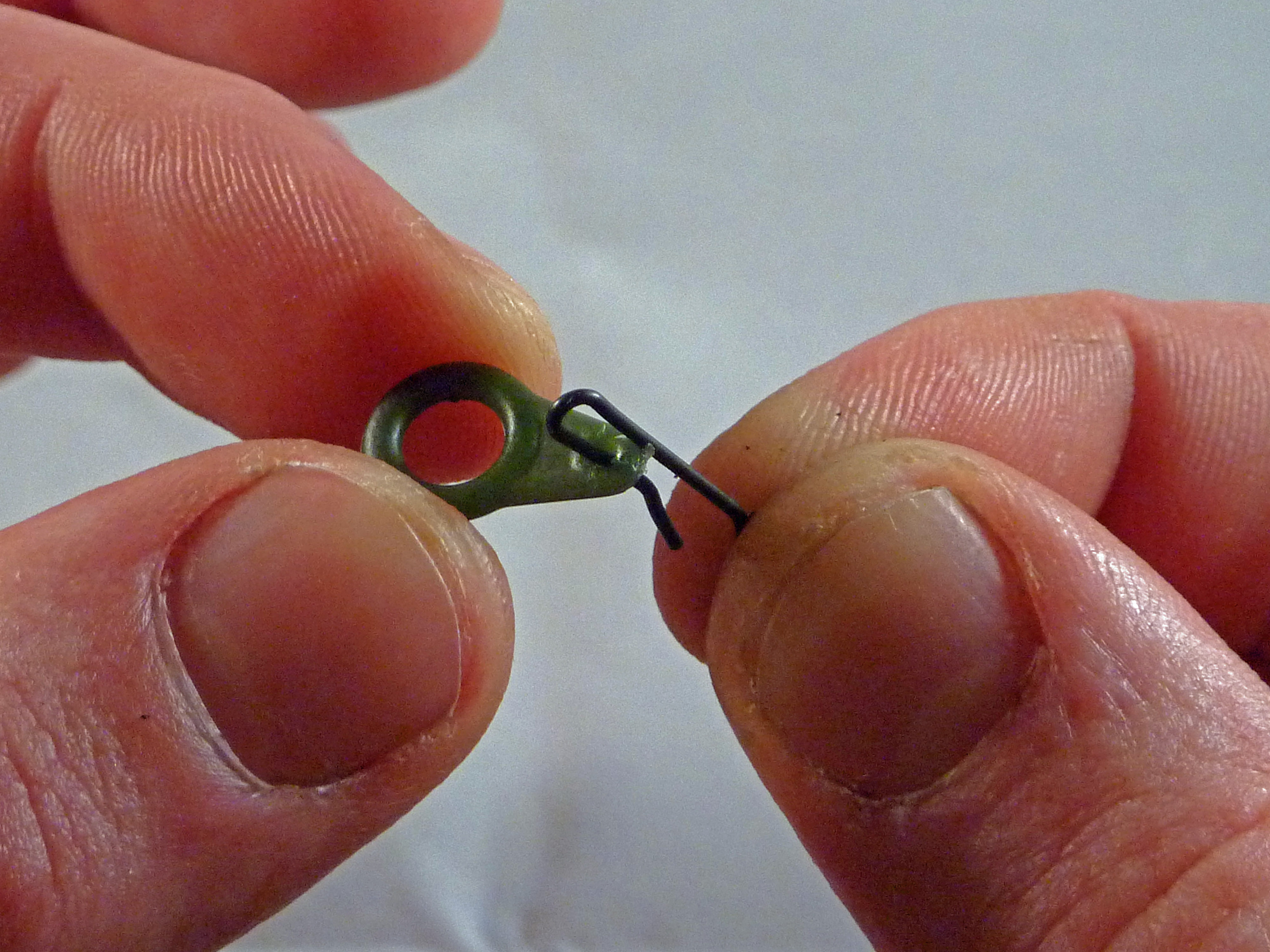
- Thread foam onto Genie clip
Pierce the foam with a baiting needle, starting from the narrow end, and thread it down so that the needle end protrudes through the other side of the foam. Hook into the small eye of the genie clip and push the foam down over the clip. Force the foam over the run ring until it nestles against the large-bore eye.
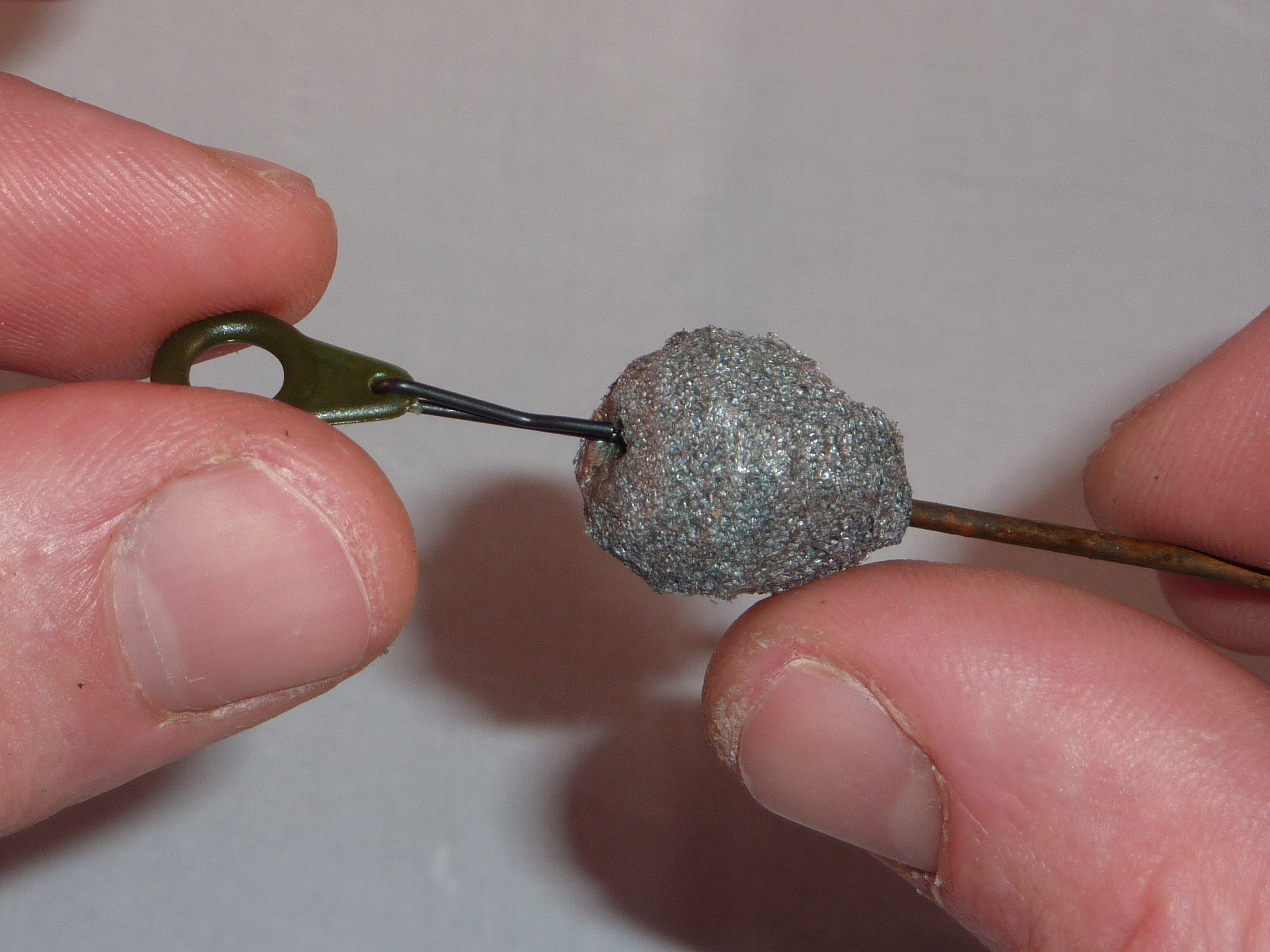
- Choose between buoyant run rings of buoyant leger stems
At this point you have two options, depending on how far you want your run ring to pop-up off the bottom: You can either hook the snap link straight into the genie clip eye, to create a buoyant run ring (in which case, you’re done!), or add a length of powergum to pop-up further above the bottom (see next step…).
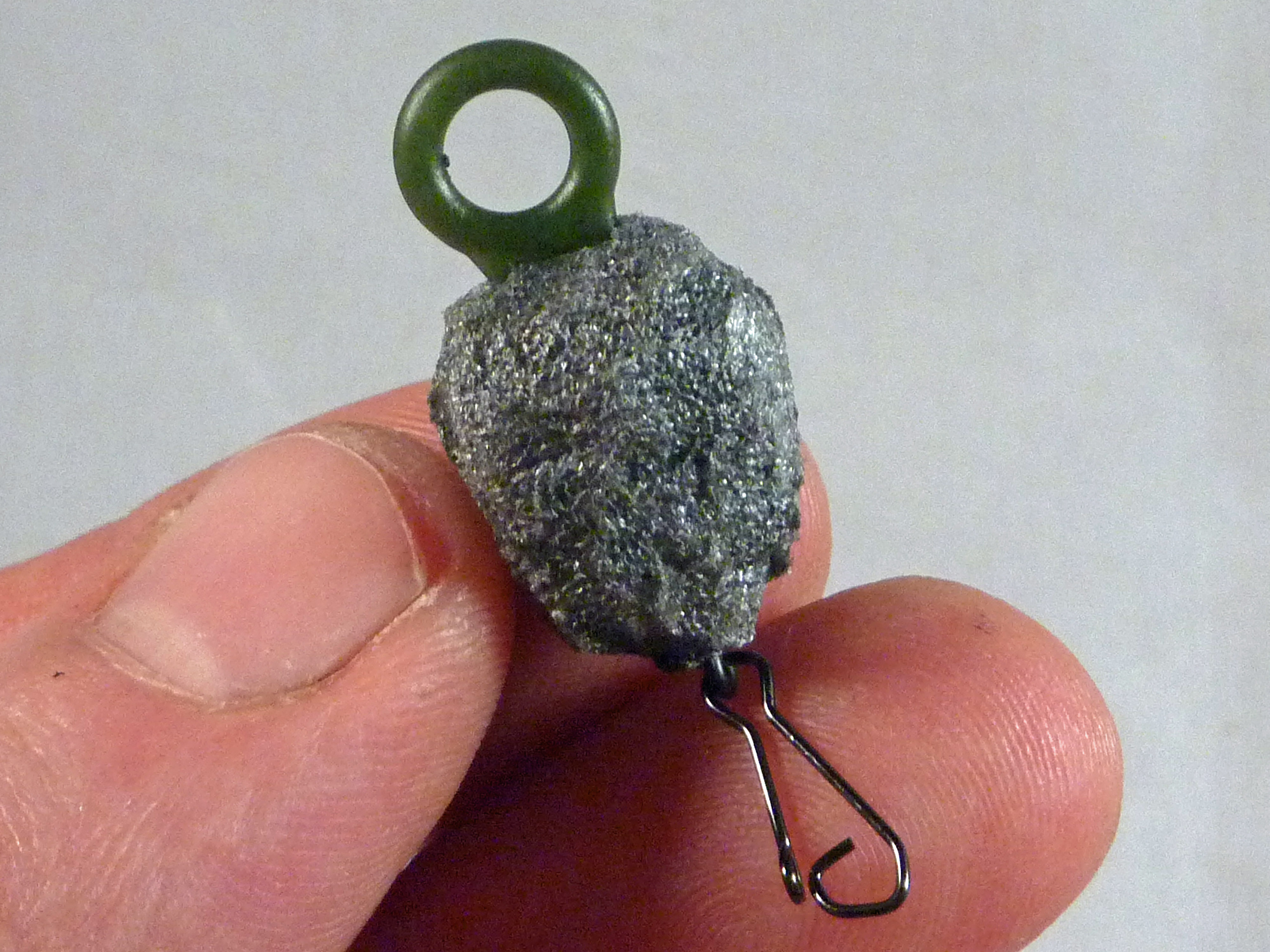
- Add powergum
Cut a length of powergum, thread this through the eye of the Genie clip and tie the gum into a loop of the desired length. Add your snap link to the loop and it’s ready to fish, but in this form it’s a little tangle-prone. So I’d recommend following the next step to complete your leger stems…

- Add shrink tube to complete the leger stems
Cut a length of shrink tube to match the powergum loop, then thread the tube onto the gum with your baiting needle, making sure it also covers the genie clip eye. Then attach your snap link to the powergum and carefully apply heat to shrink the tubing. This makes a semi-rigid boom between the run ring and the snap link, making it less tangle-prone.

- The finished article!
All that is left to do is thread your mainline through the run ring, clip on a lead, tie on your end rig and you’re ready to fish!
The powergum acts as your weak link, so this design is fish safe too. If thick bottom weed or debris is likely to be encountered, you can make the powergum link as long as you like, providing your shrink tubing is in long enough sections to cover it.
Looking to attract & draw pike into your swim? Take a look at my article on Chumming for pike.
More DIY fishing tackle making tips & hacks
I’m quite a hands-on guy and I’m regularly tinkering with things to improve them, adapt them or make them to suit my needs. If you liked the tutorial above you may be interested in my other fishing tackle tips, tricks, adaptations, improvements & hacks. View them all here.